Currently Empty: R0.00

5 Harmful Effects of High Levels of Iron in Water
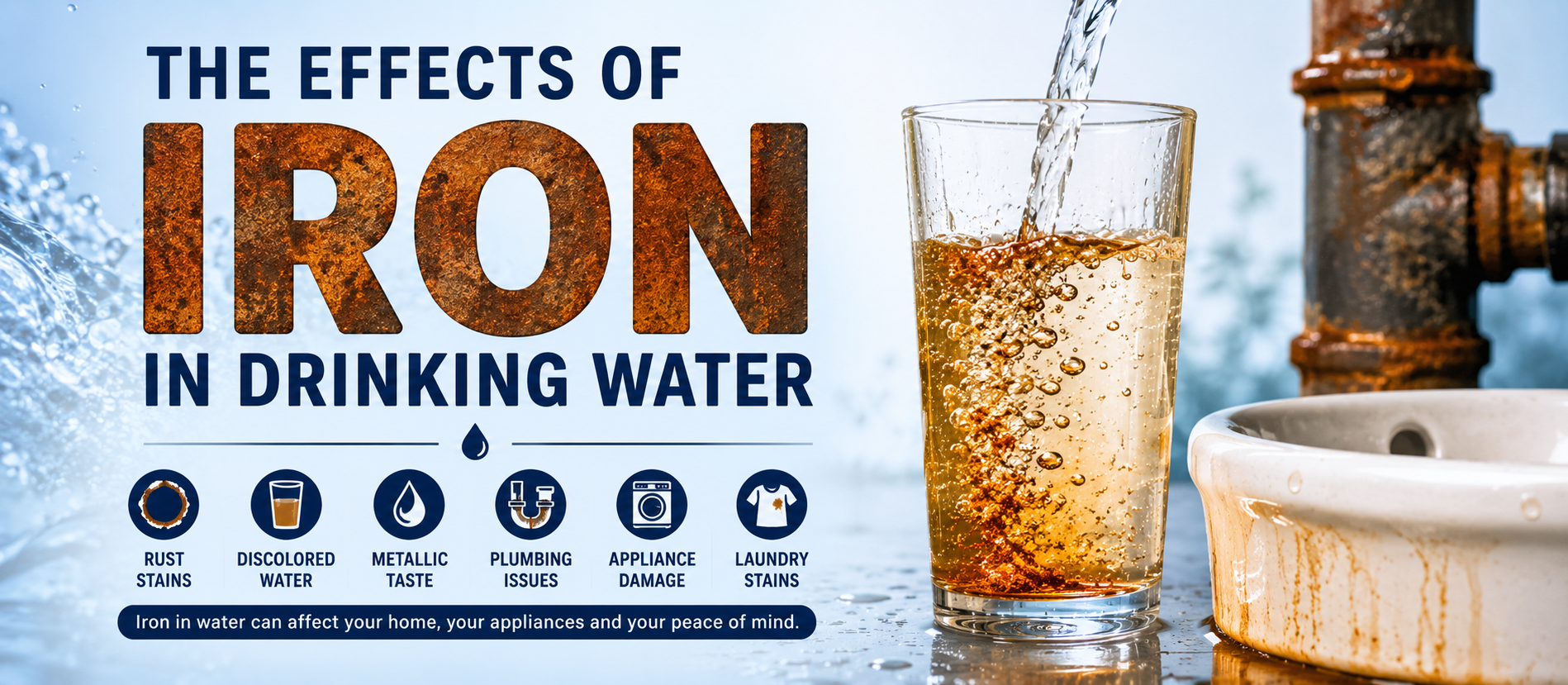
High levels of iron in water can affect more than just the appearance of your water. While iron is an essential mineral for the human body, excessive amounts in drinking water can lead to unpleasant tastes, staining, plumbing problems, and reduced water quality. As a result, identifying and treating iron contamination is important for both your health and your property’s water system.
At Puritech, we provide reliable water treatment solutions that help remove excess iron from residential, commercial, and industrial water supplies. Whether your water comes from a borehole or a municipal source, the correct treatment system can significantly improve water quality.
What Causes High Levels of Iron in Water?
Iron naturally occurs in rocks and soil. As groundwater moves through these formations, it dissolves iron, which eventually enters wells and boreholes. In addition, aging iron pipes and plumbing systems may release iron into the water supply through corrosion.
Common sources include:
- Borehole water
- Well water
- Corroded iron pipes
- Groundwater with high mineral content
- Industrial water sources
1. Health Concerns
Although iron is an important nutrient, excessive amounts in drinking water may contribute to health concerns for certain individuals. High iron levels can also encourage the growth of iron bacteria, which may affect water quality. Furthermore, people with conditions such as hemochromatosis should avoid consuming excessive iron.
Possible effects include:
- Metallic taste
- Stomach discomfort
- Nausea
- Digestive problems
- Increased iron intake for susceptible individuals
2. Skin and Hair Problems
Bathing in iron-rich water may affect your skin and hair.
For example, excess iron can combine with soap, making it more difficult to rinse completely. Consequently, some people experience dry skin, clogged pores, irritation, or dull-looking hair. Soap residue may also build up on bathroom surfaces.
3. Poor Taste and Food Quality
Iron in water often gives it a noticeable metallic taste.
As a result, tea, coffee, and other beverages may become darker and less enjoyable. Vegetables and other foods cooked with iron-rich water can also become discolored and develop an unpleasant flavor.
4. Stains on Plumbing and Laundry
One of the most common signs of iron contamination is reddish-brown staining.
These stains may appear on:
- Sinks
- Toilets
- Baths
- Showers
- Tiles
- Clothing
- Dishes
- Taps
Moreover, these stains are often difficult to remove and can make bathrooms and kitchens appear dirty even after cleaning.
5. Plumbing and Appliance Damage
Iron particles can gradually build up inside plumbing systems.
Over time, this buildup restricts water flow, reduces water pressure, and shortens the lifespan of appliances such as washing machines, geysers, dishwashers, and water heaters. Iron bacteria may also produce a slimy residue that blocks pipes and fixtures.
Signs You May Have Iron in Your Water
Several warning signs may indicate excess iron in your water supply.
Look out for:
- Rust-coloured water
- Metallic taste
- Orange or brown stains
- Blocked pipes
- Reduced water pressure
- Brown slime in plumbing
- Unpleasant odours
- Laundry staining
Therefore, if you notice any of these problems, professional water testing is recommended.
How to Remove Iron from Water
The best treatment method depends on the amount and type of iron present.
Common iron removal solutions include:
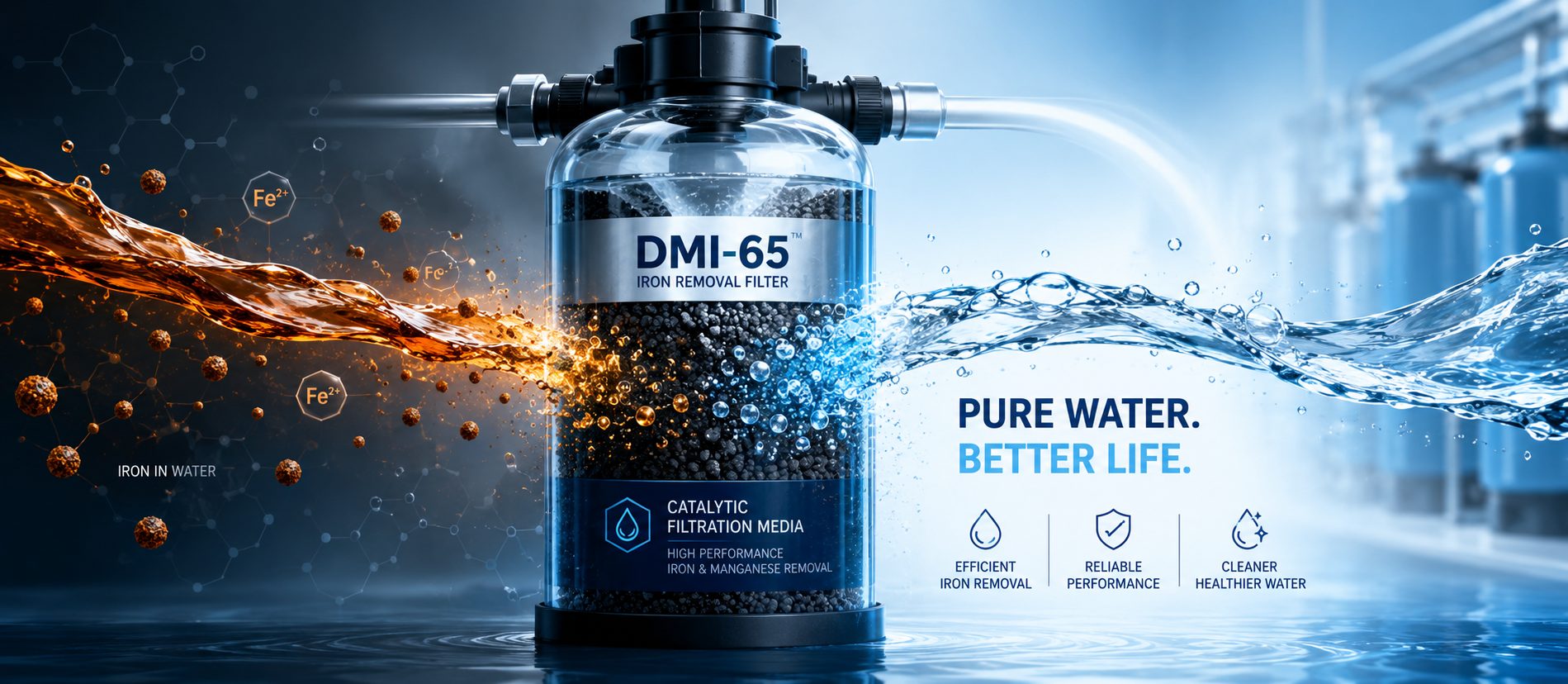
- Iron removal filters
- Oxidation systems
- Water softeners (for lower iron levels)
- Multimedia filtration
- Chemical dosing systems
- Reverse osmosis for selected applications
Before choosing any treatment equipment, a comprehensive water analysis should always be performed. This ensures the correct system is selected for your specific water conditions.
Why Choose Puritech?
Since 2006, Puritech has helped customers throughout South Africa improve water quality using professional water treatment equipment.
Our solutions include:
- Iron removal systems
- Water softeners
- Reverse osmosis systems
- Activated carbon filters
- UV sterilisers
- Sediment filters
- Complete industrial water treatment systems
In addition, our experienced team provides technical support and customized treatment recommendations based on laboratory water analysis.
Frequently Asked Questions
Is iron in drinking water harmful?
Small amounts are generally not considered harmful. However, high levels of iron in water can affect taste, stain surfaces, damage plumbing, and contribute to other water quality problems.
How do I know if my water contains too much iron?
Common signs include rusty stains, metallic taste, discolored water, blocked pipes, and orange staining on fixtures and laundry.
What is the best way to remove iron?
The most suitable solution depends on your water analysis. Iron removal filters, oxidation systems, and specialized filtration equipment are commonly used to treat iron contamination.
Should borehole water be tested?
Yes. Regular testing identifies iron levels and other contaminants, making it easier to select the correct water treatment system.
Conclusion
High levels of iron in water can affect your home’s plumbing, reduce water quality, stain fixtures, and make drinking water less enjoyable. However, these problems can usually be resolved with the correct treatment system and routine water testing.
Whether you need an iron removal filter, a water softener, or a complete water treatment solution, Puritech offers reliable products and expert advice to help you enjoy cleaner, safer water every day.